The Modesto Manifesto: Building the Fence Before the Fall
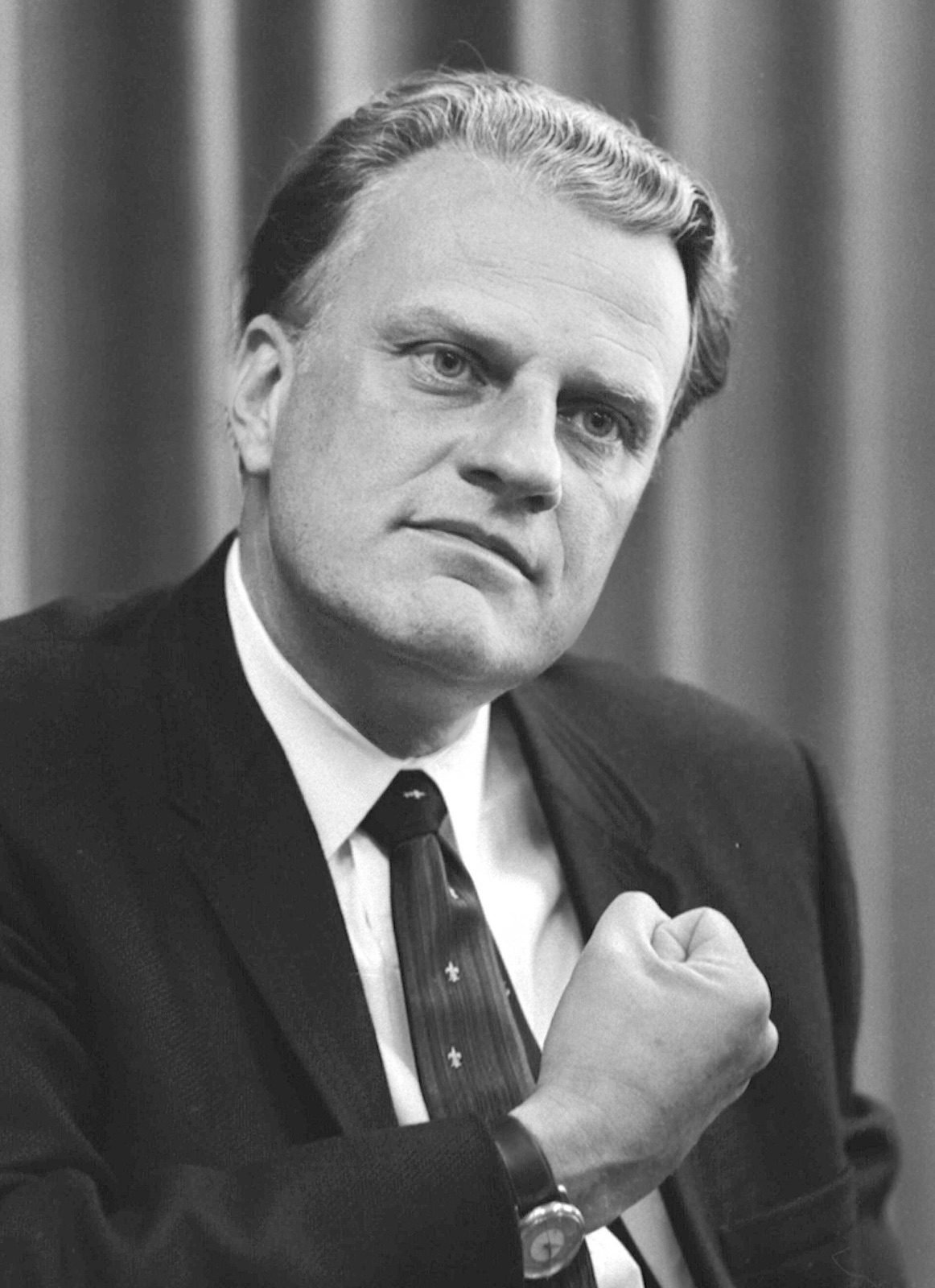
One of the most important lessons in ministry may come from a meeting that happened before Billy Graham became one of the most famous evangelists in the world.
In 1948, Billy Graham and members of his evangelistic team were holding meetings in Modesto, California. Graham was still young. The massive crusades, worldwide recognition, television appearances, and meetings with presidents were still ahead of him.
But Graham and his team could already see something troubling.
They had watched other evangelists rise in influence and then destroy their ministries.
Some fell because of money.
Some fell because of sexual immorality.
Some exaggerated the size and success of their ministries.
Others became disconnected from local churches and began operating as if they were accountable only to themselves.
So Billy Graham, Cliff Barrows, George Beverly Shea, and Grady Wilson asked a simple question:
What are the things most likely to destroy us if this ministry becomes successful?
They went away, thought about it individually, and came back together.
Their answers were remarkably similar.
What came out of that conversation eventually became known as the Modesto Manifesto, named after the California city where the discussion took place.
It wasn't originally some complicated theological document.
It was essentially a set of guardrails.
And the most important thing about those guardrails is that they were built before the fame arrived.
1. Money
The first danger was money.
The team had seen evangelists use emotional pressure to raise offerings or operate ministries without meaningful financial accountability.
So they determined that money would be handled carefully and transparently.
The ministry should never become a way for the preacher to enrich himself.
Scripture repeatedly warns about the danger of money.
“For the love of money is the root of all evil.”
— 1 Timothy 6:10
Money itself isn't evil.
But when ministry success begins producing larger donations, bigger organizations, nicer accommodations, and more personal influence, the temptation to justify things can become very real.
That is why financial boundaries should be established before there is much money to manage.
2. Sexual Integrity
The second danger was sexual temptation.
Traveling ministers often spent long periods away from their families. Graham and his team had already seen ministries destroyed by sexual immorality.
So they established strong boundaries.
Graham became known for avoiding situations where he would be alone privately with a woman other than his wife.
Some later called this the “Billy Graham Rule.”
The point wasn't that every woman was dangerous.
The point was recognizing something Scripture already teaches:
Don't build your life around seeing how close you can get to temptation without falling.
Paul told Timothy:
“Flee also youthful lusts.”
— 2 Timothy 2:22
Notice the word.
Not debate it.
Not prove how strong you are around it.
Flee.
This matters even more when a ministry becomes popular.
Influence changes the environment around a person.
More people want access to you.
More people admire you.
More private messages arrive.
More invitations come.
More travel happens.
More opportunities appear that never existed before.
Being a person of God does not make someone immune to temptation.
If anything, greater influence requires greater accountability.
3. The Local Church
The third issue was their relationship with churches.
Traveling evangelists could easily begin thinking that their ministry was more important than the local pastors and congregations already serving a community.
Graham's team decided they would work with churches rather than against them.
That principle is extremely important.
A minister with a large platform should still be submitted somewhere.
Someone should know him beyond the stage.
Someone should know his marriage.
Someone should know his struggles.
Someone should be able to ask hard questions.
And most importantly, someone should be able to tell him:
No.
Accountability isn't merely having friends who agree with you.
Accountability means there are people who have permission to confront you.
4. Don't Exaggerate the Success
The fourth concern was publicity.
Evangelists sometimes exaggerated attendance numbers, conversions, or ministry results.
Graham's team committed themselves to telling the truth.
And this part of the Modesto Manifesto may be even more relevant today than it was in 1948.
Because we now live in the age of social media.
Views.
Subscribers.
Followers.
Likes.
Viral clips.
Thumbnails.
Engagement.
Ministry can slowly become performance.
The modern version of this principle might be:
Don't inflate your views.
Don't exaggerate testimonies.
Don't imply thousands were saved if you don't know that.
Don't manipulate a thumbnail to make something appear more dramatic than it really was.
Don't create the appearance of revival just because revival gets clicks.
Jesus never needed exaggeration.
If one person came home, heaven rejoiced.
The Fence Goes Up Before the Temptation Comes
This is what makes the Modesto Manifesto so powerful.
Billy Graham didn't establish these boundaries after a scandal.
He established them before the height of his success.
Before millions of people knew his name.
Before presidents wanted meetings.
Before stadiums filled with people.
Before enormous amounts of money moved through the ministry.
Before the opportunities became difficult to resist.
They effectively said:
If God gives us influence, we already know what we are unwilling to sacrifice to keep it.
That is wisdom.
Because the worst time to decide your boundaries is when temptation is standing in front of you.
Decide beforehand.
Joseph didn't negotiate with Potiphar's wife.
He ran.
Daniel decided before eating the king's food.
Jesus answered Satan with Scripture before Satan could redefine His mission.
The fence goes up before the fall.
The Lesson of Ravi Zacharias
This conversation becomes even more sobering when we consider the story of Ravi Zacharias.
Ravi was one of the most influential Christian apologists of his generation.
He entered universities, answered difficult philosophical questions, engaged skeptics, and gave Christians intellectual confidence in their faith.
His ministry helped many people.
But after his death, investigations uncovered serious sexual misconduct and abuse.
His story reminds us of something uncomfortable but essential:
Giftedness is not the same thing as godliness.
Someone may answer theological questions brilliantly and still need accountability.
Someone may preach to thousands and still need someone asking what is happening privately.
Someone may build a worldwide ministry and still need people with the authority to say:
Stop.
The question shouldn't merely be:
“Who is mentoring you?”
It should also be:
“Who can correct you?”
“Who sees the finances?”
“Who knows where you're traveling?”
“Who knows what you're struggling with?”
“Who can investigate an accusation?”
“Who has authority to remove you if necessary?”
Because if nobody can tell the leader no, the leader is not truly accountable.
The Jesus Party Needs Guardrails Too
This isn't just a lesson for Billy Graham.
It isn't just a lesson for celebrity pastors or famous evangelists.
It is something every Christian leader should think about.
Especially anyone asking God for greater influence.
We often pray:
“Lord, increase my platform.”
“Grow the ministry.”
“Open doors.”
“Send resources.”
“Let us reach millions.”
But perhaps another prayer needs to come first:
“Lord, build my character strong enough to survive the doors You're opening.”
Success introduces temptations failure never could.
And sometimes what destroys a ministry isn't opposition from the outside.
It's compromise on the inside.
The Jesus Party should never be built around personalities who become too important to question.
It should be built around Jesus.
That means truth.
Accountability.
Humility.
Financial integrity.
Sexual integrity.
Honesty.
Healthy marriages.
Healthy families.
Healthy churches.
And leaders who willingly place themselves under authority.
Because the goal isn't simply to finish with a big ministry.
The goal is to finish faithfully.
Paul wrote:
“I have fought a good fight, I have finished my course, I have kept the faith.”
— 2 Timothy 4:7
That should be the goal.
Not merely:
Did people know my name?
But:
Did I keep the faith?
Not merely:
Did we build something big?
But:
Did we remain faithful when it became big?
Not merely:
Did God give us influence?
But:
Could God trust us with the influence He gave us?
The Modesto Manifesto teaches a simple principle:
Don't wait until you're successful to decide who you're going to be.
Decide now.
Build the fence now.
Establish accountability now.
Protect your marriage now.
Handle money correctly now.
Tell the truth now.
Submit to godly leadership now.
Because when greater influence comes, you won't suddenly become a different person.
You'll become a more visible version of the person you're already becoming.
And if we're going to proclaim Jesus publicly, our private lives must point to Him too.